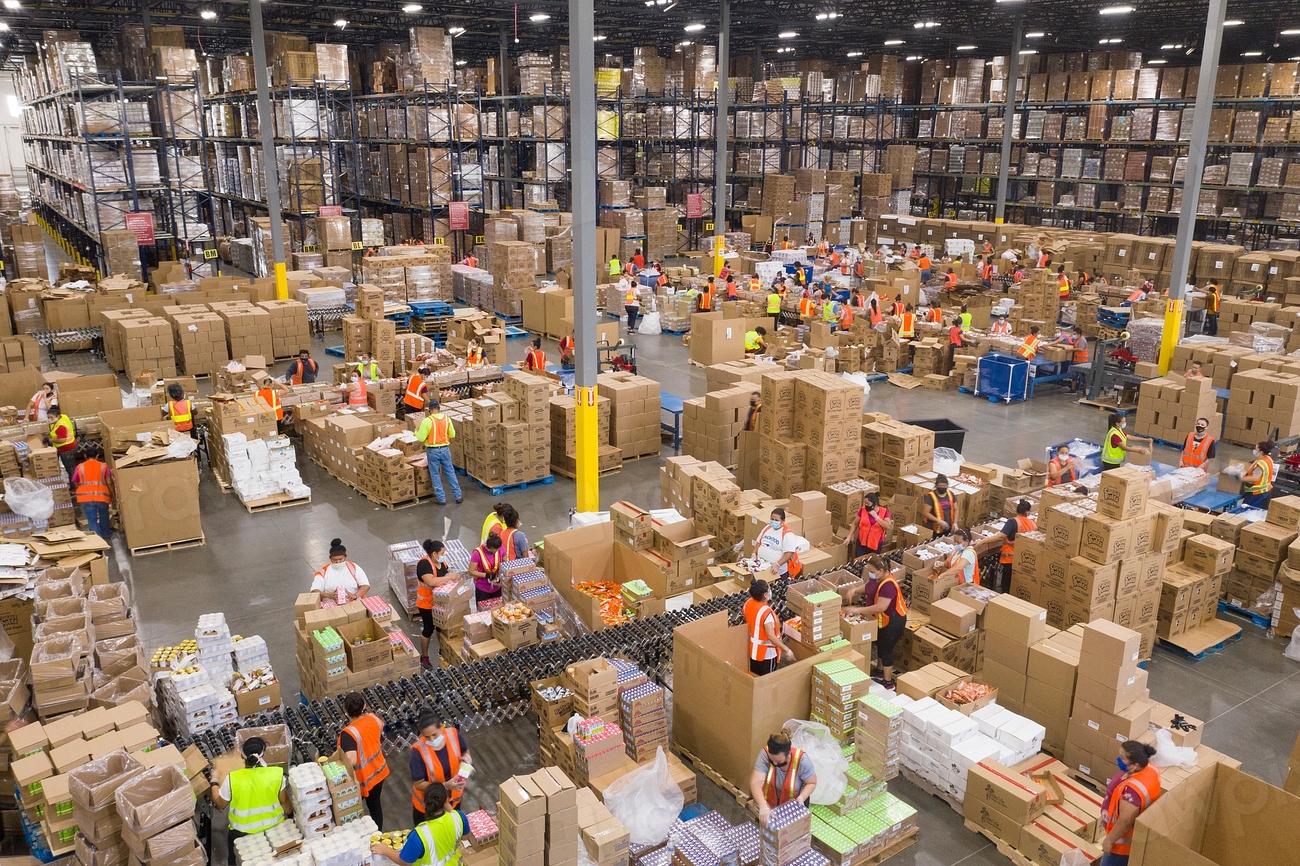
China Sourcing for Australia and New Zealand Buyers: Supplier Screening, Samples, MOQ, Biosecurity-Aware Packaging, QC and Shipping Guide is written for Australia and New Zealand importers, ecommerce sellers and small brands that need a practical China procurement system rather than a list of random supplier names. A buyer in Australia and New Zealand usually has to balance target landed cost, product compliance, packaging expectations, delivery time, payment exposure and the reality of minimum order quantities. The safest sourcing process is not a single negotiation; it is a controlled sequence: define the product, compare suppliers, verify the factory, approve samples, lock specifications, inspect production and manage shipping documents before the balance payment is released.
ForeignGo helps overseas buyers coordinate China product sourcing, factory verification, quality inspection, sample orders, supplier comparison and order management. This guide explains how a Australia and New Zealand buyer can brief suppliers, identify weak quotations, reduce quality risk and keep the order commercially workable. For navigation, buyers can also review ForeignGo home ForeignGo blog contact ForeignGo factory verification service quality inspection support China sourcing support and use the outside references in this article such as World Bank Logistics Performance Index International Chamber of Commerce Incoterms overview U.S. Consumer Product Safety Commission importing guidance European Commission product compliance information for logistics, Incoterms and compliance context.
Why Australia and New Zealand buyers need a controlled China sourcing workflow
Australia and new zealand importers, ecommerce sellers and small brands often approach China sourcing with a clear product idea but incomplete execution data. A supplier may quote quickly, but the quote may not define the material grade, packaging standard, certification responsibility, sampling lead time, inspection tolerance or shipment method. When those details are missing, the buyer may think two suppliers are comparable while they are actually quoting different products.
For Australia and New Zealand, market expectations include ISPM 15 wood packaging, AS/NZS documentation checks where relevant, small-batch replenishment, carton strength for long sea freight lanes, clear landed-cost planning. These expectations affect supplier selection from the first email. If the buyer waits until production is finished to discuss labeling, carton marks or document requirements, the factory may charge rework fees or ship goods that cannot enter the sales channel smoothly.
- Start with a product specification sheet, not only a photo.
- Ask each supplier to quote the same Incoterms, packaging and test requirement.
- Separate factory capability verification from price negotiation.
- Approve a physical sample before paying the main production deposit.
- Schedule inspection before the balance payment and before shipment release.
Supplier screening: compare capability before negotiating price
A reliable China sourcing project begins with a supplier matrix. For Australia and New Zealand importers, ecommerce sellers and small brands, the matrix should include product specialization, export market experience, communication quality, factory location, sample speed, MOQ flexibility, quality system maturity and willingness to accept third-party inspection. Price is still important, but price should be compared only after the specification is equal.
Practical screening questions include: Which production steps are done in-house? Which steps are outsourced? What is the normal defect rate? Can the supplier provide pre-production samples? Can they separate pilot order pricing from mass order pricing? Who signs the proforma invoice and who receives payment? A supplier that answers clearly is easier to manage than one that only repeats a low price.
Supplier comparison checklist
- Product range matches your category rather than being a broad reseller catalog.
- Factory photos and videos show relevant equipment, workers, packing area and QC area.
- Quotation names material, size, finish, accessories, packaging and lead time.
- MOQ is explained by raw material, mold, color, printing or packaging constraints.
- Payment account matches the contracting entity or is properly explained.
| Procurement stage | What Australia and New Zealand importers, ecommerce sellers and small brands should verify | Evidence to request | Common risk |
|---|---|---|---|
| Supplier shortlist | Business scope, export experience, product fit, communication speed | License, product catalog, export records where available, workshop photos | Trading company presented as factory without disclosure |
| Sample order | Materials, workmanship, packaging, labeling, test reports if relevant | Sealed sample, sample invoice, specification sheet, packaging dieline | Approved sample differs from mass production |
| MOQ and price | MOQ by color, size, model, packaging and component | Itemized quotation, tooling fee note, lead-time schedule | Low unit price hides high setup cost or weak material |
| Production | Capacity, raw material readiness, in-line defect trend | Production photos, inspection checklist, packing list draft | Late subcontracting or rushed assembly |
| Shipment | Carton strength, marks, documents, Incoterms, consolidation plan | Final inspection report, commercial invoice, packing list, booking note | Carton damage, document mismatch or avoidable demurrage |
Factory verification before deposit
Factory verification is not only a fraud check. It confirms whether the supplier can actually make the product at the agreed quality level and volume. For Australia and New Zealand orders, verification should look at business registration, production area, equipment, staffing, quality records, subcontracting risk, packaging area and export document experience. A short video call is useful, but it is not a substitute for structured verification when the order value is material.
Buyers should request a factory profile and then validate the most important claims. If a supplier says it has automatic testing equipment, ask for recent calibration records or inspection photos. If it claims experience with Australia and New Zealand, ask what packaging or document differences were required, without asking for confidential customer names. Avoid unverifiable claims such as huge capacity numbers unless they are backed by production schedules and equipment count.
Red flags
- Refuses factory address before deposit.
- Only provides showroom photos or catalog images.
- Cannot explain quality control steps for the product.
- Pushes full payment before sample approval.
- Changes company name, bank account or contact person without clear reason.
Sample orders and specification lock
Sample orders are the bridge between sourcing research and production control. For Australia and New Zealand importers, ecommerce sellers and small brands, a sample should not be treated as a casual demonstration. It should become the reference standard for material, dimensions, finish, color, accessories, packaging and workmanship. When the sample is approved, take photos, record measurements and create a written approval note. If the supplier modifies the sample, request a revised sample or a clear deviation approval.
The buyer should also clarify whether the sample is handmade, from current stock or produced on the same line as mass production. A handmade sample may look good but fail to represent production stability. A stock sample may not match the buyer’s packaging or compliance requirement. The safest approach is to use the sample stage to finalize the QC checklist and carton requirements before the production deposit.
- Keep one sealed sample with the buyer or inspection partner.
- Keep one matching sample at the factory for production reference.
- Attach photos of critical details to the purchase order.
- Define acceptable tolerance for size, color, weight and appearance.
- Confirm sample cost refund rules if they are part of negotiation.
MOQ negotiation and cost control
MOQ is often the hardest point for small brands and regional distributors. A factory may require MOQ because of raw material purchasing, color batching, mold setup, printing plates or carton production. Instead of asking only for a lower MOQ, Australia and New Zealand buyers should ask what drives the MOQ and whether the supplier can separate product MOQ from packaging MOQ. Sometimes a buyer can start with neutral packaging, fewer colors or a shared component to reduce the first order risk.
Cost control should focus on landed cost, not only unit price. A slightly higher unit price from a supplier with better packing, fewer defects and more predictable lead time may be cheaper after inspection, rework and shipping are considered. Ask for itemized quotations: unit price, tooling, sample fee, packaging, inner carton, master carton, spare parts, inspection rework and domestic trucking.
Negotiation options
- Pilot order with standard packaging and agreed reorder price.
- Mixed SKU order using the same material or component family.
- Deposit structure linked to sample approval and inspection.
- Packaging upgrade only after market validation.
- Supplier comparison based on total landed cost.
Packaging, labeling and local market expectations in Australia and New Zealand
Packaging is not decoration; it is part of compliance, logistics and sell-through. For Australia and New Zealand, buyer concerns include ISPM 15 wood packaging, AS/NZS documentation checks where relevant, small-batch replenishment, carton strength for long sea freight lanes, clear landed-cost planning. A sourcing brief should state unit packaging, master carton material, carton size limit, gross weight target, shipping marks, barcode or SKU labeling and any language requirements. If the product will be sold through ecommerce, packaging must also survive parcel handling after the international shipment.
Ask the supplier for carton drop-test information where relevant and request photos of packed goods before inspection. If the order uses customized packaging, approve the dieline and production artwork before mass printing. For wood packaging, confirm treatment requirements early. For products with plugs, batteries, chemicals, textiles or children’s use, confirm applicable compliance documents before production rather than after the goods are packed.
Quality inspection plan before shipment
Inspection should be scheduled when production is mostly complete and enough goods are packed to represent the shipment. The inspection checklist should be based on the approved sample and purchase order. For Australia and New Zealand importers, ecommerce sellers and small brands, the checklist normally includes quantity, workmanship, function, dimensions, material, color, accessories, labeling, packaging, carton marks and basic safety checks. If lab testing is needed, it should be planned earlier because lab results can take longer than a final random inspection.
Use clear acceptance criteria. Do not simply tell the inspector to “check quality.” Define critical, major and minor defects. Confirm whether rework will be inspected again. If the supplier ships before inspection or pressures the buyer to release balance payment without photos and report, treat it as a risk signal.
- Pre-production inspection: useful for new factories or new materials.
- During-production inspection: useful when lead time is tight or defects are likely.
- Final random inspection: useful before balance payment and shipment release.
- Container loading check: useful for mixed containers or fragile goods.
Shipping, payment and order management
Shipping decisions should be made after carton data is confirmed. Air freight may solve urgent stockouts but can destroy margin. Sea freight is economical but needs better planning. Rail, express and consolidated freight can be relevant depending on product type and destination. Buyers should compare EXW, FOB, CIF and DDP carefully and understand which party controls export customs, insurance, destination charges and delivery appointments.
Payment risk should be managed with staged milestones: sample fee, production deposit, inspection before balance, shipment document review and final delivery tracking. Avoid sending large balances before inspection. Keep all specification changes in writing. For Australia and New Zealand, order management should include a weekly production update, photo evidence, document checklist and a final shipment file containing invoice, packing list, bill of lading or airway bill, inspection report and any compliance documents.
Action plan for the next order
- Create a one-page product specification with photos, dimensions, materials and packaging.
- Shortlist at least three suppliers and compare them with the same RFQ.
- Verify the factory or trading structure before deposit.
- Order and approve samples with written deviation notes.
- Negotiate MOQ using packaging, color and component flexibility.
- Book inspection before balance payment.
- Review shipping documents before cargo release.
ForeignGo can support Australia and New Zealand importers, ecommerce sellers and small brands with supplier comparison, factory verification, sample coordination, quality inspection and shipment follow-up. The goal is not to remove every commercial risk, but to make each risk visible early enough that the buyer can act before money, time and inventory are locked.
Detailed execution controls buyers should add to the purchase order
A purchase order for China sourcing should do more than repeat the product name and total price. It should translate the commercial agreement into controllable production instructions. For overseas buyers, the most useful purchase orders include the approved sample reference, material description, dimensions, color standard, finish requirement, accessory list, unit packaging, master carton specification, labeling rule, inspection standard, shipment term, document list and payment milestones. If a supplier says that these details are “understood,” the buyer should still put them in writing because staff inside the factory may not have joined the sales conversation.
Buyers should attach photos with annotations. A photo of the critical surface, the connector, the stitch line, the printed label, the color difference limit or the inner packing method is easier for a workshop team to follow than a vague paragraph. When a change happens during production, the buyer should record who requested it, why it was accepted, whether it affects price, whether it affects lead time and whether the approved sample must be updated. This habit prevents disputes when the final inspection compares actual goods with the wrong version of the specification.
Purchase order clauses that reduce avoidable disputes
- Production must match the approved sample and written specification, not only the supplier catalog.
- Any material, component, packaging or subcontracting change requires written approval before use.
- Final random inspection must be completed before balance payment unless the buyer waives it in writing.
- Carton marks, labels and document names must match the buyer’s shipment instruction.
- Rework cost for supplier-caused defects should be borne by the supplier, including reasonable re-inspection cost.
How to brief a China sourcing agent or inspection partner
A sourcing agent or inspection partner can only protect the buyer when the brief is specific. The brief should include the target market, product use, expected sales channel, order quantity, acceptable materials, forbidden materials, target packaging, certification or documentation concerns, budget range, delivery deadline and the buyer’s risk priorities. A project buyer may care most about installation reliability, while an ecommerce seller may care most about packaging consistency and review risk. A distributor may need spare parts, batch coding and reorder stability.
The inspection partner should receive the approved sample photos, the purchase order, the packing list draft and a defect classification guide. For example, a scratch on hidden internal metal may be minor for one product but critical for a visible retail item. A missing warning label may be critical if it affects compliance or platform rules. The buyer should decide these points before the inspector arrives. Otherwise the inspection report may list observations without a clear pass/fail decision.
| Briefing item | Why it matters | Practical instruction |
|---|---|---|
| Target sales channel | Retail, ecommerce and project use have different packaging and documentation needs. | State whether goods go to Amazon, retail shelves, distributors, installers or direct project delivery. |
| Critical defects | Inspectors need to know which problems make the goods unsellable or unsafe. | List safety, function, label, color, dimension and packaging defects by severity. |
| Shipment deadline | Inspection timing must fit production completion and vessel or truck booking. | Book inspection early and leave time for rework before cargo closing date. |
| Document requirements | Customs and marketplace issues often come from inconsistent paperwork. | Confirm invoice, packing list, HS code discussion, certificates and shipping marks before final payment. |
Common mistakes that increase landed cost
Many sourcing losses are not caused by fraud; they are caused by small uncontrolled decisions. A buyer accepts a lower carton grade and later pays for damaged returns. A supplier changes a component to keep price low and the product fails a marketplace review. A buyer chooses DDP without understanding who is importer of record. A factory starts mass production before the buyer approves the sample. These mistakes are preventable when the order is managed as a sequence of gates rather than a single transaction.
Before the next order, buyers should calculate the cost of defects, delay and rework. If the gross margin cannot absorb a second inspection, emergency air freight or replacement packaging, the project needs stronger controls before production. The purpose of supplier verification, sample approval and inspection is not bureaucracy. It is a practical way to protect cash flow, customer trust and reorder potential.
FAQ
How should Australia and New Zealand buyers verify a China supplier before paying a deposit?
Check business registration, product specialization, workshop evidence, quotation detail, sample capability, payment account consistency and willingness to accept inspection. For larger orders, use on-site factory verification before deposit.
What MOQ strategy works for Australia and New Zealand buyers sourcing from China?
Ask what drives the MOQ: raw material, color, mold, printing or carton setup. Reduce first-order risk with neutral packaging, fewer variants, shared components or a pilot order with a written reorder price.
When should Australia and New Zealand buyers arrange quality inspection in China?
Arrange final random inspection when production is complete and most goods are packed, before balance payment and shipment release. For new suppliers or complex products, add pre-production or during-production checks.
What shipping terms should Australia and New Zealand buyers compare for China orders?
Compare EXW, FOB, CIF and DDP by total landed cost, document control and destination charges. FOB is often clearer for buyers using their own forwarder, while DDP requires careful tax and compliance review.
How can Australia and New Zealand buyers avoid packaging problems when importing from China?
Approve packaging artwork, carton size, weight, marks, barcode labels and material before production. Request packed-goods photos and include packaging checks in the inspection checklist.
Leave a Reply